
Client Function 2025: A night in Hollywood
/For this year’s Client Function we celebrated 10 years of Fee Langstone with a glamorous night in Hollywood! Thanks to everyone for another great night.





At Fee Langstone we’re experts in the field of insurance law. We are a team of skilled litigation lawyers, able to work with you to provide strategies and robust solutions, fast.
We turned up the volume for this year’s Client Function with a night of glam rock! A fantastic night spent with clients and friends of the firm. Thanks to everyone who joined us and helped make it such a great evening.
The Star Entertainment Sydney Properties Pty Ltd v Buildcorp Group Pty Ltd [2026] NSWSC 27
The boundary between defective work and “property damage” is regularly a disputed issue in a construction insurance context. Under a liability policy, the builder’s liability for damage will ordinarily trigger the policy’s insuring clause. However, the policy will usually exclude cover for the builder’s defective work, or perhaps only provide cover to a limited extent.
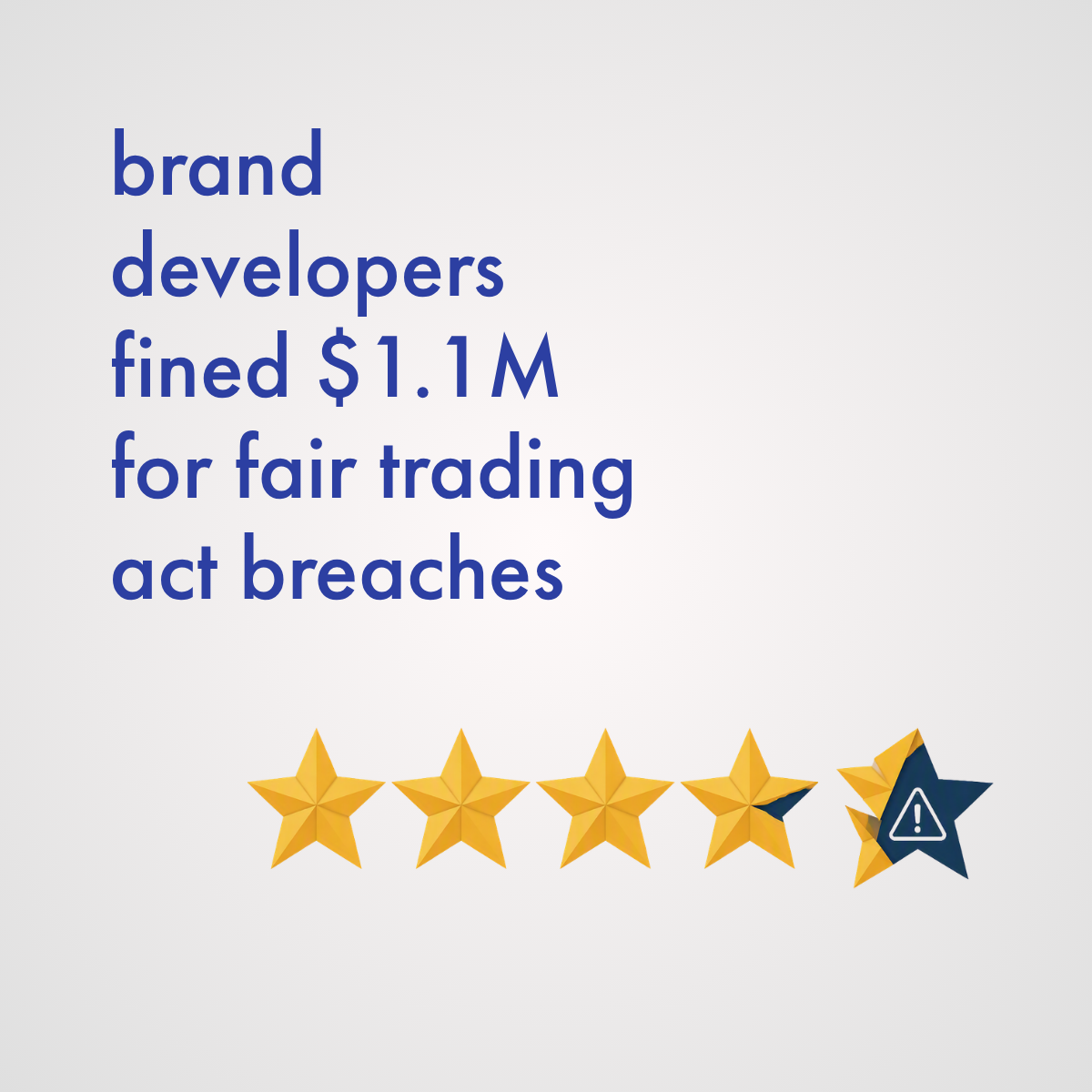
The District Court has imposed fines totalling $1.104 million on Brand Developers Limited (BDL), trading as TV Shop, following convictions on 13 charges under the Fair Trading Act 1986 (FTA). The decision is a significant recent penalty judgment and provides useful guidance on how the courts assess culpability for misleading conduct affecting consumers.
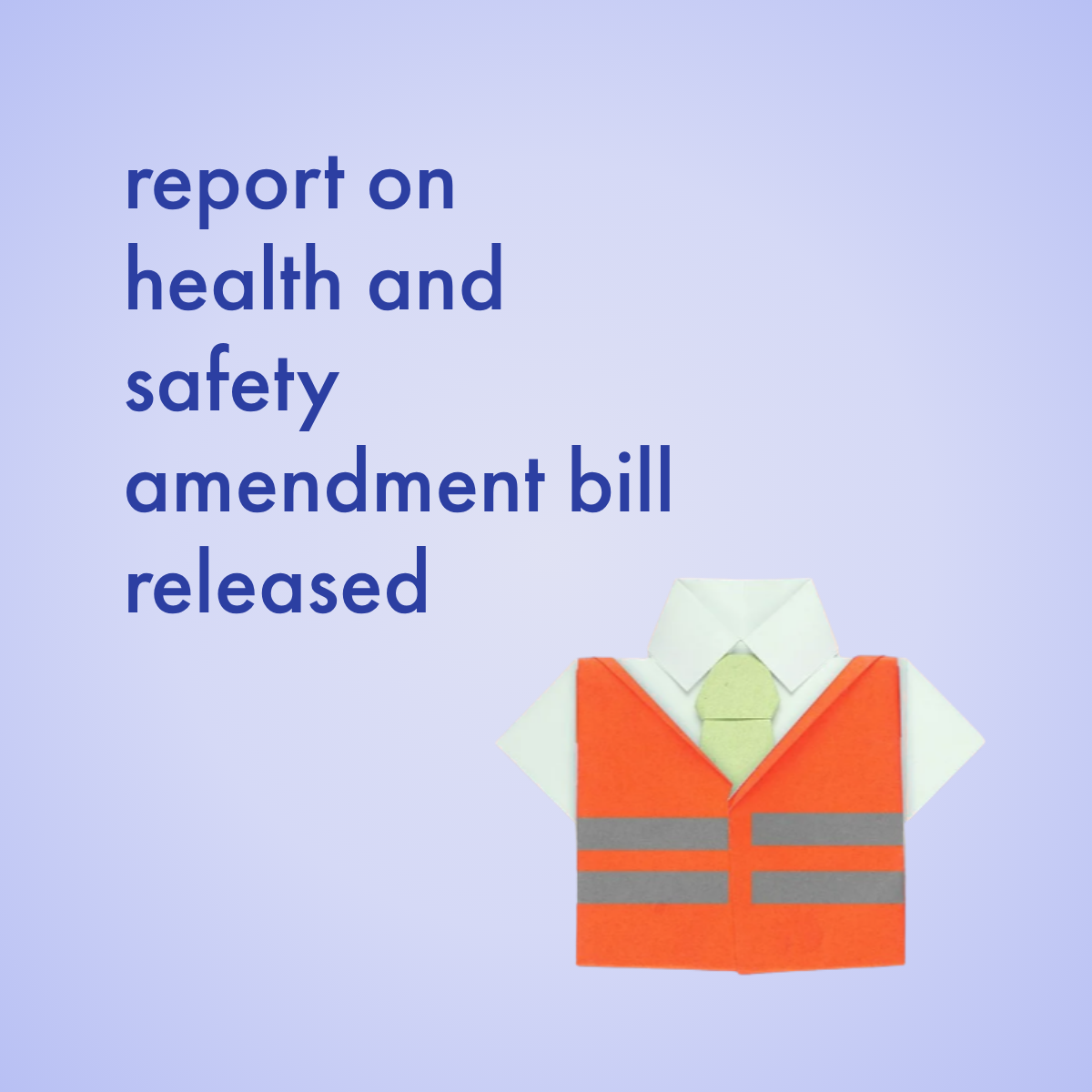
The Health and Safety at Work Amendment Bill has been reported back by the Education and Workforce Committee. The Committee has recommended, by majority, that the Bill be passed with amendments.
The Bill is intended to make the health and safety regime clearer and more focused on serious risks. It does this by introducing the concept of “critical risk”, changing some duties for smaller businesses, clarifying officer and landowner responsibilities, strengthening Approved Codes of Practice, and addressing how the Health and Safety at Work Act interacts with other laws.
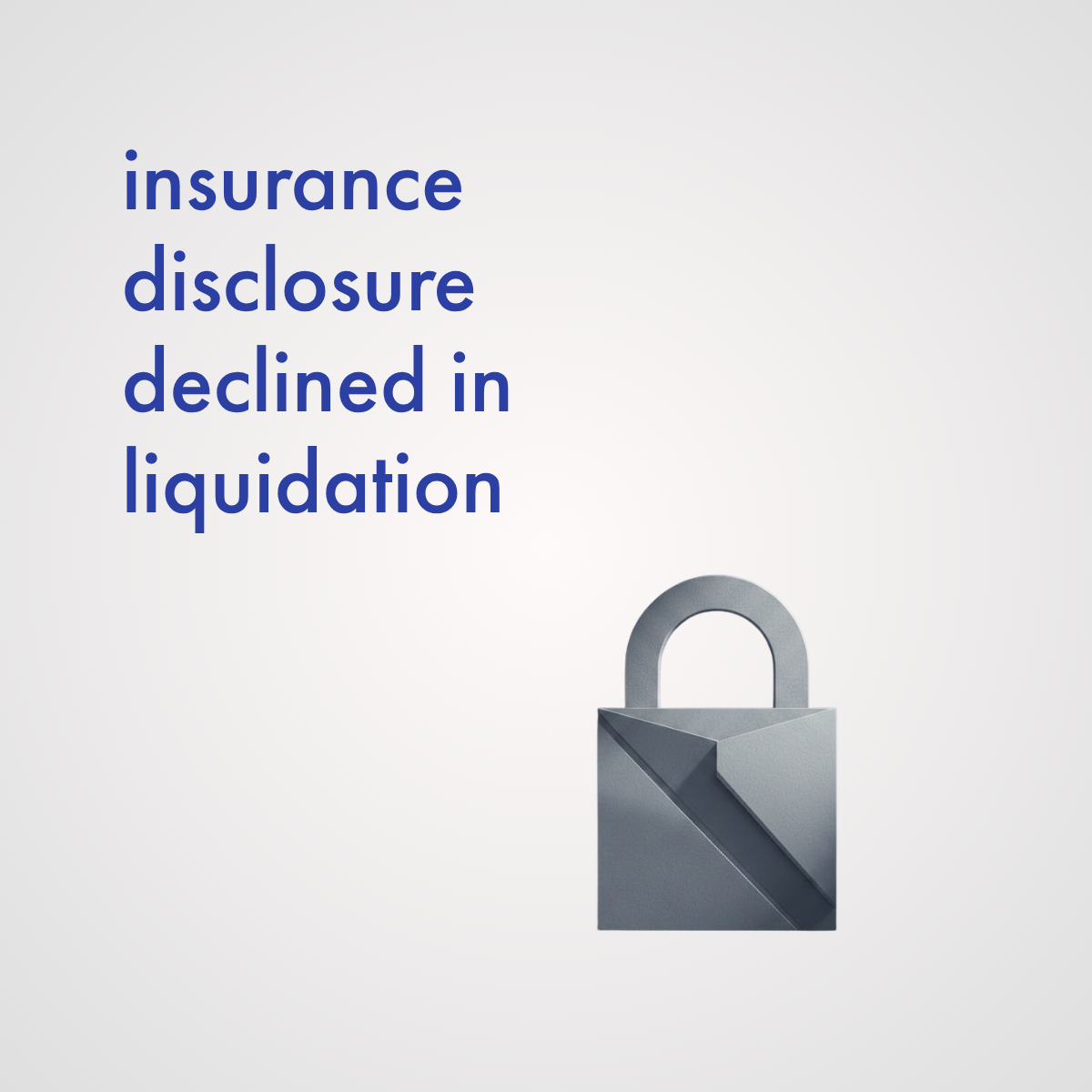
In Candida Trustee Co Ltd v Teak Construction Group Ltd (in liq) [2026] NZHC 1352, the High Court considered whether a claimant creditor could compel liquidators to disclose a company’s professional indemnity insurance information prior to the claim being resolved.
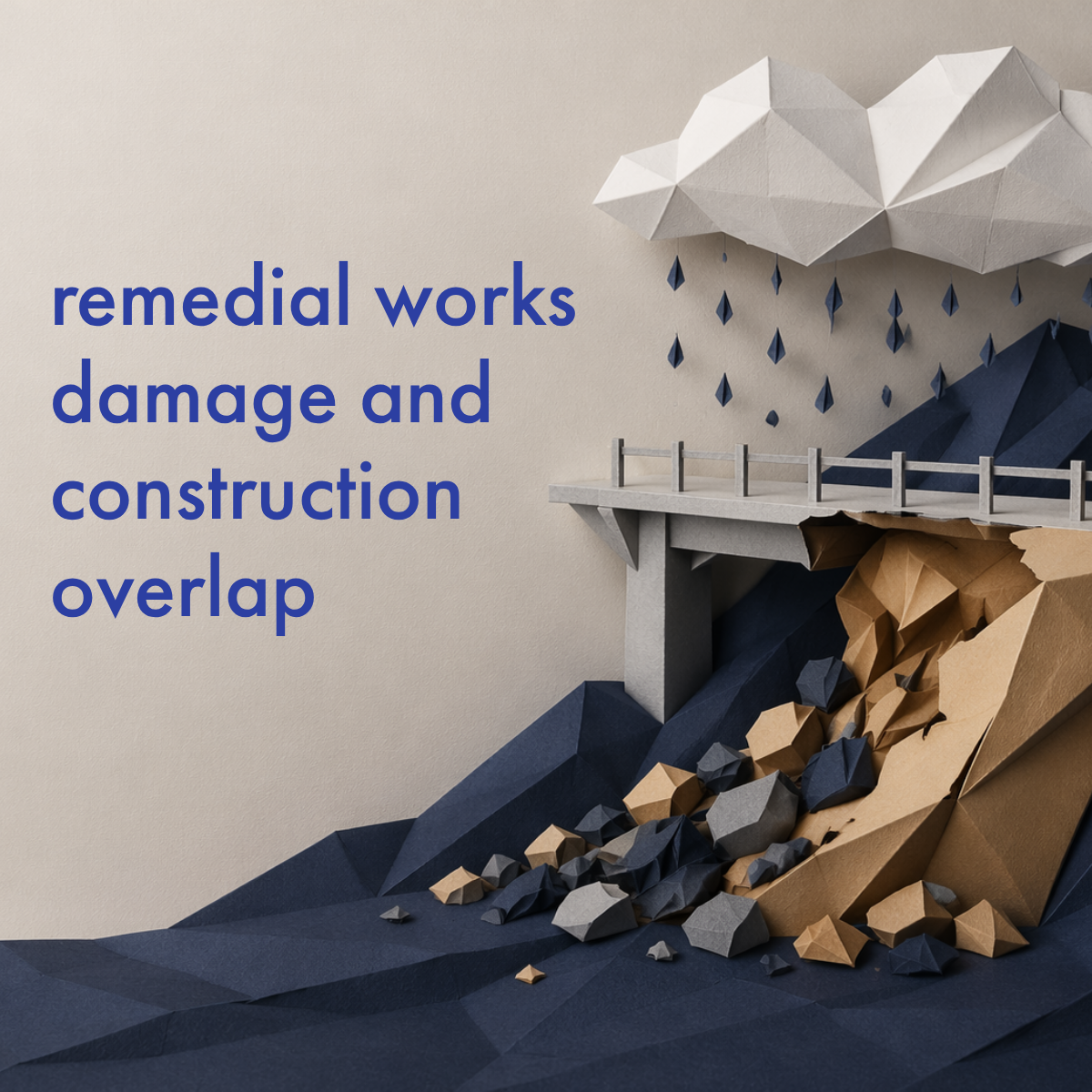
In contract works claims, a frequent dispute – for both insurers and insureds – is precisely where to draw the line between cover for new “damage” and excluded construction defects. The damage and defects are often interlinked and untangling the issue involves technical evidence.
For anyone treating the upcoming Contracts of Insurance Act (‘CoIA’) as a box ticking exercise, the FMA’s open letter to insurers last week is a clear warning. The FMA expects insurers to be actively preparing for CoIA now, and has confirmed that implementation will form part of its ongoing monitoring and enforcement activities.
Trustees are personally responsible for expenses and liabilities during their trusteeship. However, it is a fundamental entitlement of every trustee that they have a right to be indemnified from the trust’s assets for those expenses and liabilities, where they have been reasonably incurred. Although personally liable, they are not required to pay out of their own pocket. This right has been recently endorsed and reaffirmed by the Supreme Court, and is enshrined in the Trusts Act 2019.
On 13 May 2026, the Supreme Court granted leave to the RH & JY Trust and its trustees to appeal the Court of Appeal’s decision in RH & JY Trust v WorkSafe New Zealand [2026] NZCA 12. The approved question is whether a trust and/or the trustees of a trust acting collectively is a “person” within the meaning of section 16 of the Health and Safety at Work Act 2015 (HSWA).
Auckland
Level 18, 51 Shortland Street
Auckland 1010
Tel. +64 9 373 0050
reception@feelangstone.co.nz
Christchurch
Level 1, 83 Lichfield Street
Christchurch 8011
Tel: +64 3 371 4622